Find Cause or Just Reboot?

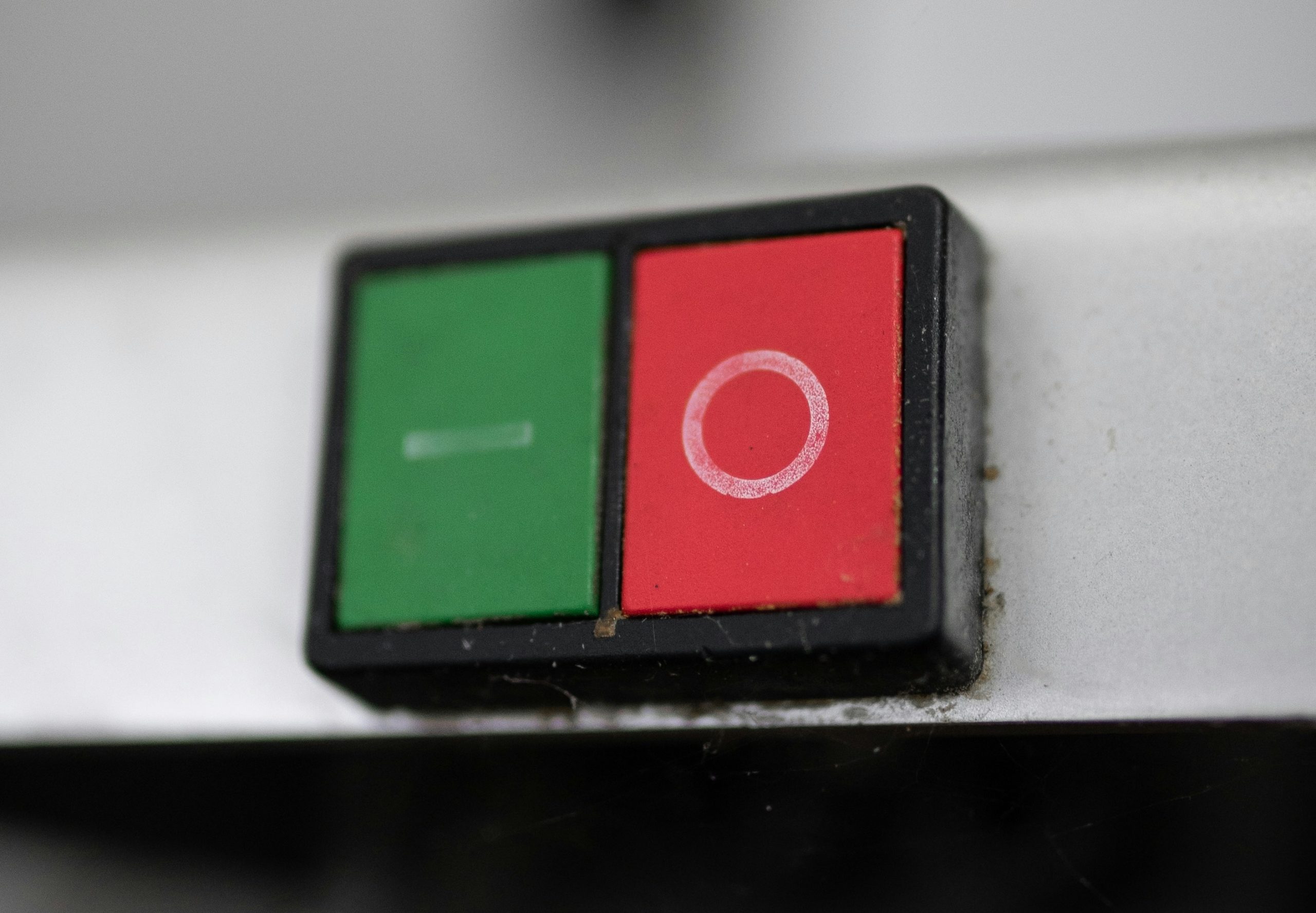
Are you going to solve the problem, or just reboot the server? This is one of the many places where IT professionals come into conflict with the business.

The technical expert wants to figure out what’s wrong rather than just wipe all the evidence and hope for the best. But as Tim Gorman pointed out in a comment on another post, that takes time and expertise.

Most systems are not so critical that it makes business sense to investigate the root cause, especially if a nightly reboot solves the problem. As a technologist, it grates on me to accept that a system doesn’t work well and that I cannot investigate further. However, as a consultant tasked with helping organizations maximize scarce IT manpower, I often find that recommending a simple reboot is the most practical advice.

Make sure you use your resources where it makes business sense.

Reboot

There is nothing you cannot start today. Every day is a new beginning, no matter what happened yesterday. If life got in the way, or simple procrastinating kept you from doing what you had planned, never mind. You can do it today.

The reason we always start IT troubleshooting with “Did you try a reboot?” is that it works. Starting over gets rid of superfluous zombie processes and reclaims memory. It works for your brain just as it does for your computer. But as your day wears on, you’ll find you work slower and slower. Email and other messages add background processes and use up memory, leaving you with little productivity left by the end of the workday.

That’s why you need to start with what’s important. Identify one task that has to happen today, and don’t open email, messaging apps, or social media until that is done.

Are your AI Systems Insurable?

It will not be technology or regulations that limit AI; it will be insurance. Several major U.S. insurance companies are petitioning lawmakers to allow them to completely exclude AI risks from their coverage, arguing that they pose an unmanageable risk.

Insurance companies are already fighting with Air Canada over who will pay for the fictitious discounts that their chatbot invented and they had to honor. Next time something like that happens, AI will allow thousands of customers to easily create plausible claims, but the insurance company cannot use AI to handle them. This asymmetry has them scared, for good reason.

If you are running AI systems, take a good look at your Tech E&O insurance. You are likely to find that it already limits coverage from some types of AI incidents. When it comes up for renewal, you will find more AI excluded. Insurance is just as real a limitation as regulation and technology.

Intentional Analysis

Isn’t it funny that the only people saying AI will take over the world are those selling the stuff? Of course, supported by the usual coterie of consultants looking for a gig, academics looking for attention, and clueless journalists looking for a sensationalist headline.

When I was in high school, we learned to do intentional analysis – considering what motivations the author of a text might have. That skill seems to be widely forgotten when discussing AI.

It also applies to programmers dissing AI as glorified autocomplete – they have an interest in telling everyone that they are still indispensable.

Elle King sang that there are “always two sides and the truth.” It is your job as an IT leader to look at the messengers on both sides, evaluate their claims and credibility, and figure out approximately where the truth lies.

Fight the Manipulation

You are being manipulated, and you need to fight back. Apps and websites want you to stay as long as possible, and they are employing well-researched brain-hacking tricks to make you spend more time than you intended.

TikTok is famous for taking attention-trapping to the next level, but today, the AI chatbots are moving the game up another notch. Notice the evolution of ChatGPT: First, it just gave you what you asked for. Then it started ending all answers with a friendly offer, “I can also get you…” Now they don’t offer you the option to continue; instead, they present you with an A/B choice: “I can get you A or get you B, which do you prefer?” Notice that the option to end the conversation has disappeared.

Your defense is to engage your conscious System 2 (cf. Kahneman) to set a limit. If you just let your automatic System 1 loose, you will be dragged down one rabbit hole after another.

Whenever you decide to spend some time on TikTok, YouTube, Twitter, Facebook, SnapChat, Instagram, or ChatGPT, set a timer. If you are accessing on your phone, use its features to limit the time spent in each app. If you are accessing through a web browser, install a browser plugin.

You only have so much time, and evil people are out to take it from you. Fight back.

What are the Essential Dependencies of your Critical Systems?

You have two kinds of systems: Those where you can wait for Cloudflare, Amazon, or Microsoft to come back up, and those where you can’t.

For critical systems, your developers and operations people must carefully examine the code and document all dependencies. Once you know what you depend on, you can decide whether to build in automatic mitigation or establish a limited-functionality mode.

To concentrate your efforts in the right place, your systems list must identify the truly critical systems and their dependencies. Does it?

Take Action

To make a difference, you must act in the real world. It’s election day in Denmark, and I’ve done my civic duty. My single vote probably doesn’t change the outcome, but it has more impact than a hundred online posts.

One of the insidious problems of social media is that it creates the illusion of action. I have liked, commented, and subscribed, and now the world will definitely change. Not.

The only way to change the world is IRL: vote in elections, volunteer for causes you support, and buy products that harm the planet as little as possible. Take action today—online doesn’t count.

UX Makes the Difference

Why don’t more people use open source? Because the User Experience sucks. Not always, but often. And the UX in an open source project is always at least a little worse than in the corresponding payware.

The really successful Open Source projects are the ones used by technical people. A system administrator wants a command line and scripting capability, not a fancy GUI.

But everyday users want something that is modern-looking and intuitive to use. Good UX, in short. That has never been a focus in open source projects, and is unlikely to ever become so.

The reason lies in the economics of software development. A commercial software developer has a good business reason to improve UX. If the added revenue from more user-friendly software exceeds the investment in UX experts, there is a business case, and that investment will be made. And management will enforce that UX improvements are implemented.

Open source UX improvement depends on a UX expert deciding to donate time to the project, AND that developers will decide to make the effort to implement UX improvements. But the typical developer considers good UX optional, so improvements keep getting pushed down the backlog. Eventually, the UX expert leaves the project to spend his or her time elsewhere.

If you want to implement end-user-facing open source, for financial or ideological reasons, you need serious management support to quell the inevitable backlash from users who have to endure the UX regression.

Memento Mori

Have you thought about death recently? Specifically, your own death?

When a victorious general rode in his chariot in triumph through ancient Rome, he would have a slave standing behind him. Every once in a while, as the conquering hero received the adulation of the people, the slave would whisper “memento mori” – remember that you must die. It was supposed to prevent success from going to his head.

In the Renaissance, this saying was adopted as a spiritual practice: you have an unknown, but finite, time on Earth, and you need to make the most of it. Renaissance paintings often included a skull, an hourglass, or wilted flowers to remind the viewer that everything will pass.

We’re not surrounded by these symbols today. Instead, we’re bombarded with images of how to look younger. Every drugstore sells “anti-aging” ointments, and billionaires are throwing money at speculative longevity research. But it is much more useful to be mindful of how we use the time we have.

When James Bond’s colleagues at MI6 hold a remembrance for him, M reads from a poem by Jack London: “I shall not waste my days in trying to prolong them. I shall use my time.”

I lost my wife this year. Lachesis had measured out 59 years for her. She used her time well and made a difference in the world. In her memory, I aspire to make the most of my remaining time.

How are you doing? Reflect on how you have spent the minutes you were given today. If you feel there is room for improvement, figure out a way to make tomorrow better. Memento mori.

Believe the user, not the vendor

If the users say the system doesn’t work and the project sponsor says it does, believe the users. IT history is full of stories of malfunctioning systems being covered up – the most egregious case is one where 900 British postmasters were falsely convicted of theft and fraud because the Post Office’s fancy new IT system didn’t work. Look up “Horizon IT scandal” for that sad story.

Those with careers and positions to save will go to extraordinary lengths to deny any problems. The people who told the truth about the Vietnam War were the draftees who did not have a military career to protect.

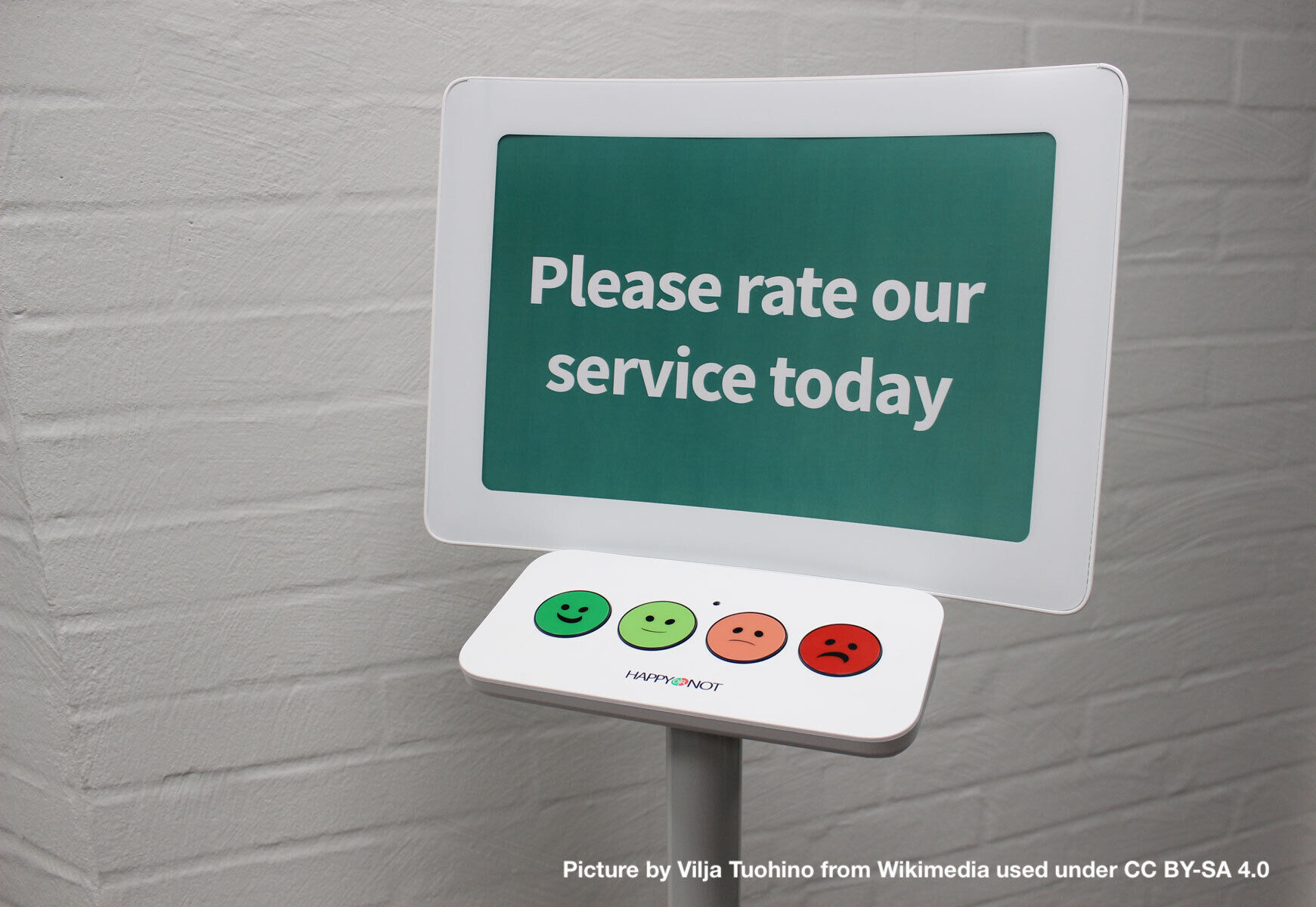
What is your process for monitoring issues with the software your business is running? Do not rely on the number of tickets raised with the service desk. There is unavoidable friction involved in raising a ticket because the IT people will want screenshots and exact software versions. The average user has no clue which version of the internet browser he is using and has more important things to do. If you don’t have a simple system like the four-smiley button panels in shops and airports, you do not know if your software works for the users.