
Only Outsiders Can See the Faults
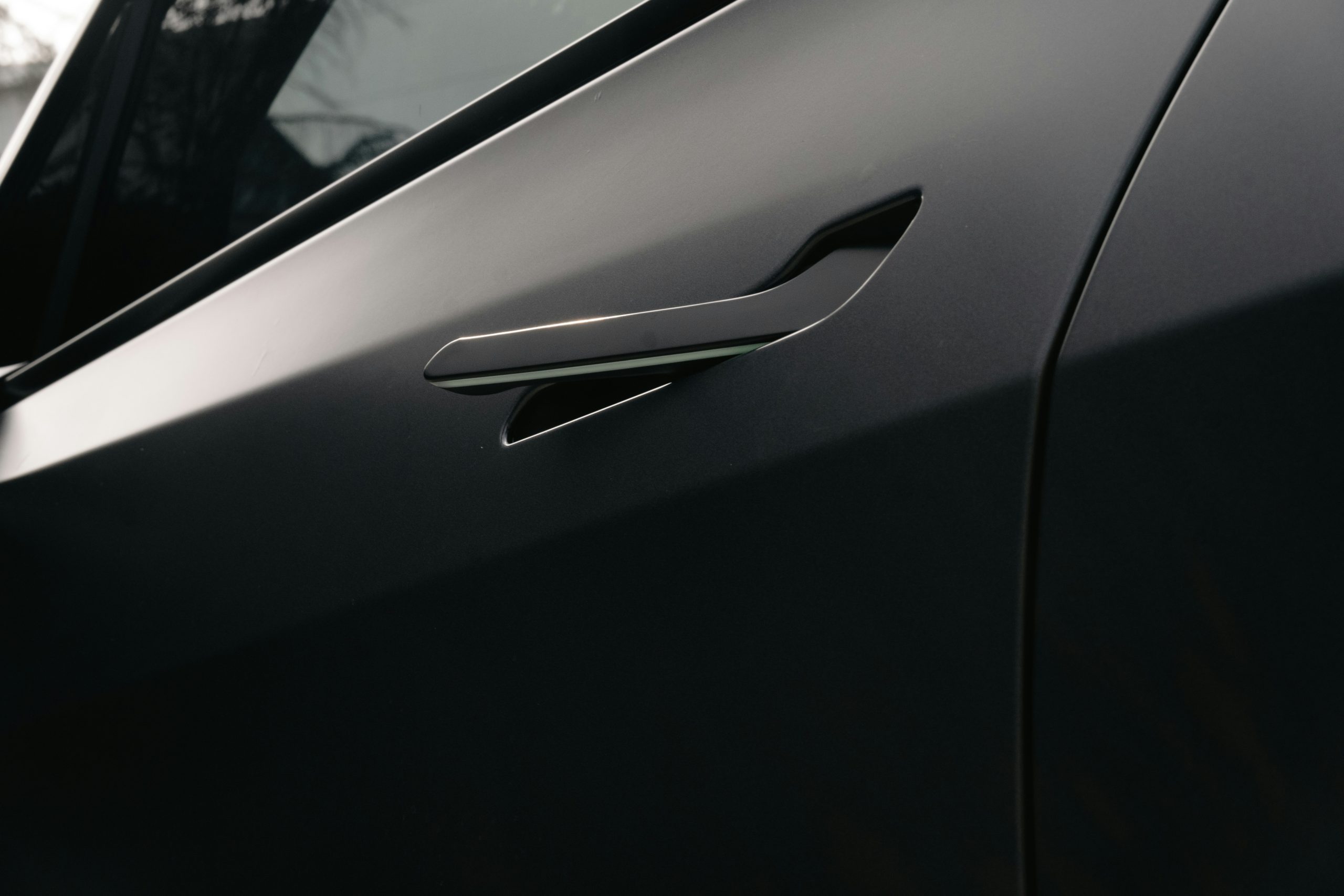
Would you design a product with a sleek but potentially deadly feature? Most people wouldn’t, but aerodynamics and design have led to at least 15 people dying in burning Teslas when the electric doors wouldn’t open. The Chinese are no longer having it, and are ordering all cars to have a mechanical door release both inside and outside the vehicle from January 1st next year.
Thousands of trade-offs are made when designing products. But some outcomes are so bad that they ought to disqualify a feature. Product owners want a great product with awesome features, and are not capable of imagining all the bad things that could happen. Even if you don’t have a dedicated Red Team, you need someone outside the product team to probe your products for weaknesses. The people building it can’t see them.

Downside Thinking
What is the downside? That is the critical question for any kind of decision. Someone has an idea, and they will present the upside. We can save so much money, develop faster, offer better customer service, etc., etc. It is your job as a leader and decision-maker to ferret out the downside.
Lack of downside consideration is behind many questionable business decisions. Twitter seems to offer a new example of Elon’s lack of downside thinking every week. Like “Let’s offer a feature that changes any photo to show the person in a bikini.” Normal people, doing even the most minimal downside consideration, would kill that idea in seconds. But Twitter/X rolled it out – and obviously had to roll it back.
You can do the downside thinking yourself for many decisions. For more complicated scenarios, you might need a dedicated Red Team or outside help to identify the downside. But before any decision, ask yourself: Have we considered the downside?