
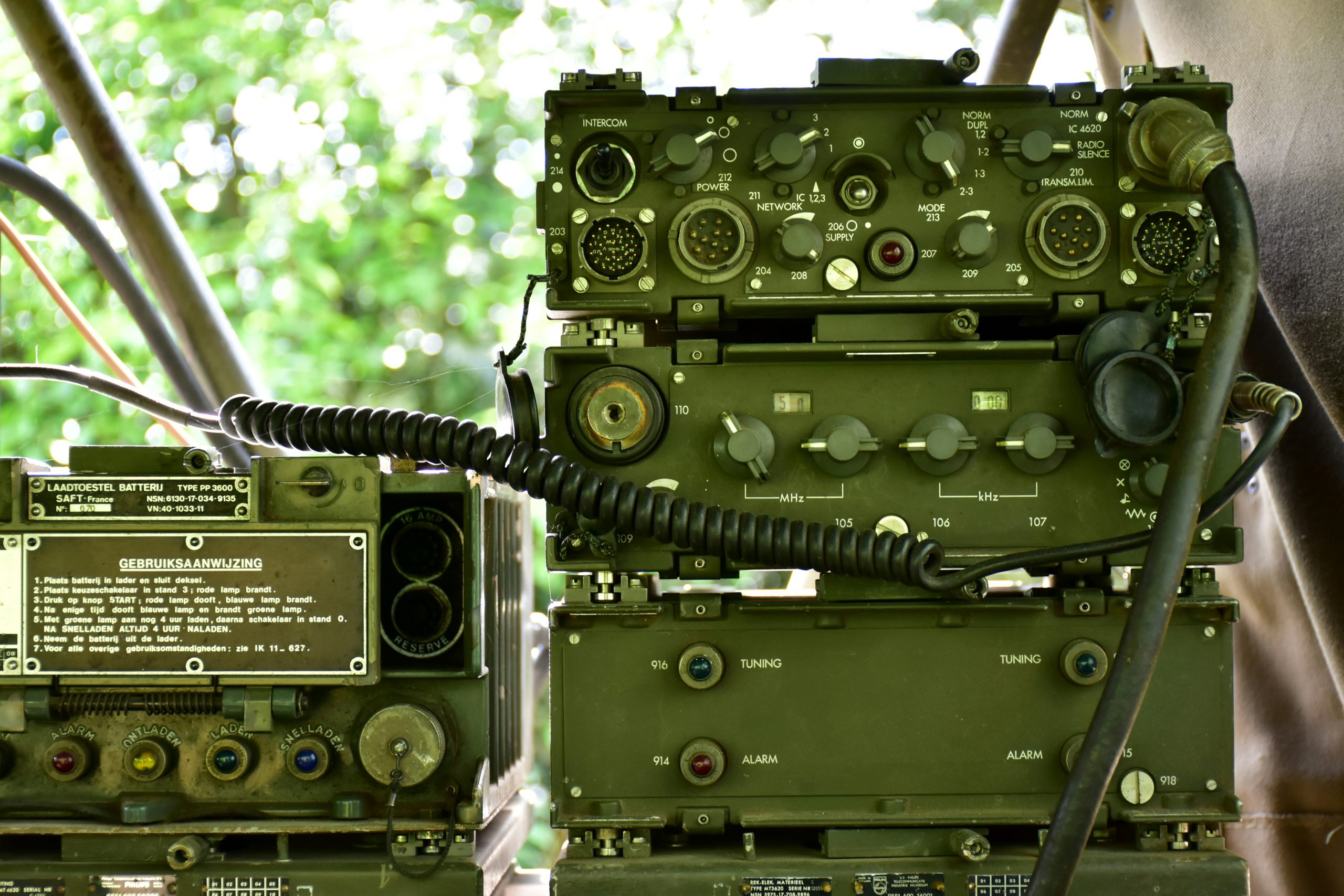
Backup Communication Channels
What is the difference between 30 individual soldiers and a platoon? Leadership and the ability to communicate.
The first step in your resilience planning is to ensure that you can still communicate, even when faced with an onslaught of Russian hackers or American government officials.
That could mean an on-premise open source mail server and a basic web server. Every workstation and company smartphone could have a separate open source mail client and web browser preconfigured for those servers.
There are many other options – the paranoid and those with high threat levels might have spare phones running GrapheneOS and Briar, or even establish their own Meshtastic mesh network.
If you don’t have a backup communication channel, you urgently need to establish one. Especially if you are outside the U.S. and depend on U.S. services.

Holding Your Ears is not an Effective Strategy
Closing your eyes and holding your ears is considered an effective IT strategy. At least here in Denmark, where the Danish public schools have been ignoring European data privacy regulations. With much hand-wringing, they are now scrambling to replace their Google Chromebooks as the new school year starts.
The 2020 Schrems II judgment from the European Court of Justice said that because all data passed to American providers end up in the databases of the NSA, you are not allowed to store personal information with American cloud providers. Nevertheless, Danish schools kept using Google services. The Danish Data Protection Agency (DPA) has finally told them to stop.
The people at the coalface in your organization know where corners are being cut. But there are several layers of management between the people who know and the CIO and CTO who will be fired once the problem explodes. So if you are in an IT leadership position, how are you ensuring that you hear about questionable practices in your organization?